Disasters leave behind heavy damage that stays long after the flames die or the waters recede. Recovery becomes hard when debris blocks exit paths for first responders or clogs homes meant for safe living.
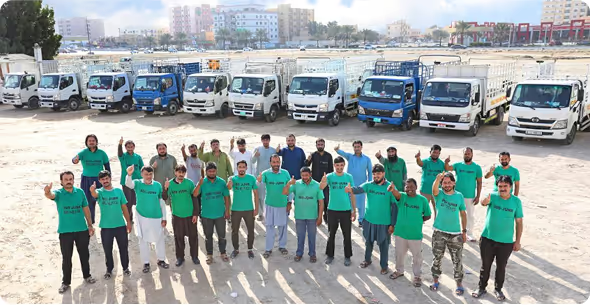
Clearing away broken glass, soaked wood, and ruined metal items provides relief to survivors and space for emergency teams. Efficient cleanup crews offer vital support as they perform the essential task of junk removal JBR to clear wreckage.
Clearing access for rescue teams:
Emergency crews need clear paths to reach damaged buildings. Piles of debris block roads and doorways, stopping aid from reaching victims during critical moments. Quick clearing removes these barriers so help arrives without delay. When crews clear paths, paramedics enter buildings safely to provide medical care. These efforts keep lanes open for fire trucks that need to reach the scene immediately.
Protecting health and safety:
Flood water brings mud, sewage, and mold into wet items. These things grow harmful bacteria very quickly. Removing soaked furniture, carpets, and drywall stops illness from spreading in homes. Cleanup crews keep air clean by hauling away rotting materials that smell bad or cause sickness. This work creates a healthy environment where families stay safe while they plan the next steps for their property.
Preventing fire hazards:
Burnt structures remain dangerous places long after the smoke clears. Loose wiring, shattered glass, and broken debris create serious risks for future fires. Workers haul away burnt items so safety teams can inspect structural areas without worry. This keeps neighborhoods safer during recovery by eliminating fuel for potential new fires. Reducing the amount of debris makes the entire area less dangerous for everyone walking nearby.
Creating space for rebuilding:
Families cannot fix homes filled with ruined belongings. Removing debris gives people room to work. Empty floors and clear yards allow repair crews to start fixing walls and roofs without moving trash repeatedly. With a clean slate, contractors measure spaces accurately and lay new materials without obstruction. This efficiency allows families to move back into their houses much sooner than expected.
Speeding up insurance claims:
Insurance adjusters need to see damage clearly to pay claims properly. Trash blocks their view of structural issues like wall cracks or floor damage. Emptying a room lets them identify repairs quickly and accurately. Speedier assessments help survivors get funds to start repairs. Clear evidence of damage results in better support for the victims, ensuring they receive the full help needed for recovery.