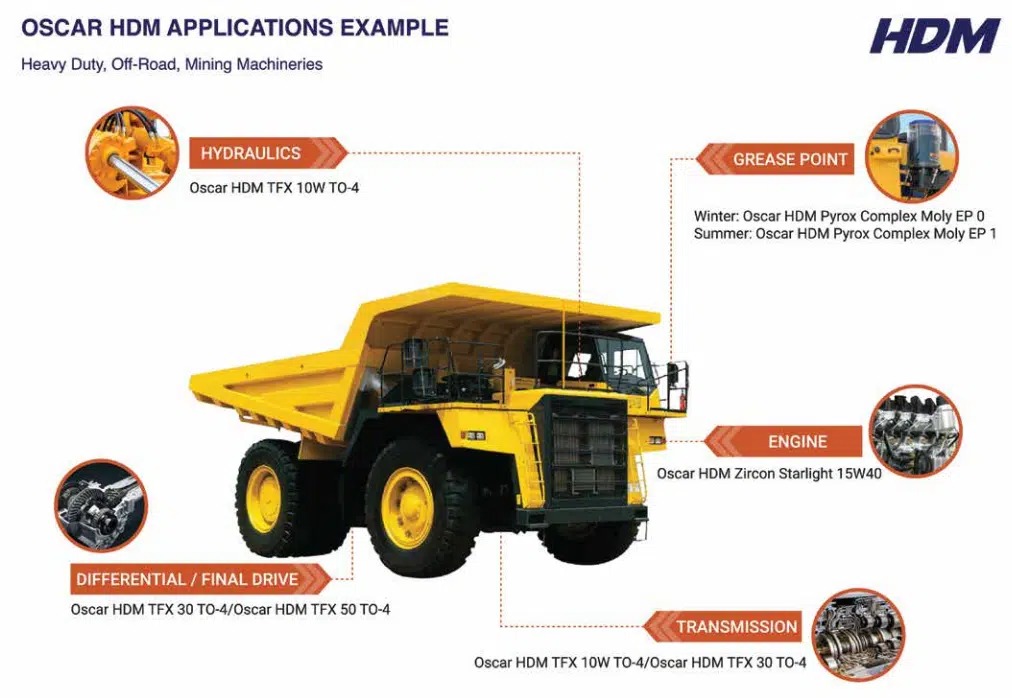
Keeping heavy equipment working day after day depends on proper oil management. Taking care of these fluids directly affects machine life and production costs. Many people overlook simple steps that make a huge difference.
This guide shares practical advice for getting the most from every drop. Let’s explore the essential rules for handling industrial lubricants.
Choose the right product
Selecting the correct fluid for each machine is the first critical step. Equipment manuals provide clear specifications for viscosity and additives. Using the wrong type causes premature wear and overheating. Many people assume one product works for all applications, but this is a costly mistake. Different gears, bearings, and hydraulic systems have unique needs. Always match the fluid grade to the operating temperature and load conditions.
Store fluids properly
Storage conditions directly impact fluid quality and performance. Keep containers sealed tightly to prevent moisture and dust from entering. Store barrels indoors or under cover to avoid temperature extremes. Water contamination degrades additives and promotes rust formation. Organize storage areas to rotate stock effectively, using older products first. Clean dispensing equipment regularly to prevent cross-contamination between different grades.
Monitor condition regularly
Regular oil analysis provides valuable data about equipment health. Take samples during routine maintenance intervals and send them for testing. Track key indicators like viscosity, water content, and particle counts. This information helps predict failures before they cause breakdowns. Many people wait too long between tests, missing early warning signs. Set up a consistent schedule and stick to it without exception.
Practice clean handling
Dirt is the biggest enemy of any fluid system. Use dedicated, clean funnels and transfer pumps for each product. Wipe container openings before pouring to remove accumulated grime. Implement filter carts when transferring to equipment reservoirs. Train workers on proper handling techniques to minimize contamination risks. Clean practices extend fluid life and reduce component wear significantly.
Control operating temperatures
Heat accelerates fluid oxidation and shortens service intervals. Monitor operating temperatures and address any cooling system issues promptly. Overheated oil loses its protective film strength and viscosity. Install temperature gauges on critical equipment and check them regularly. Consider external coolers for machines working in demanding conditions. Lower temperatures mean longer fluid life and better protection.