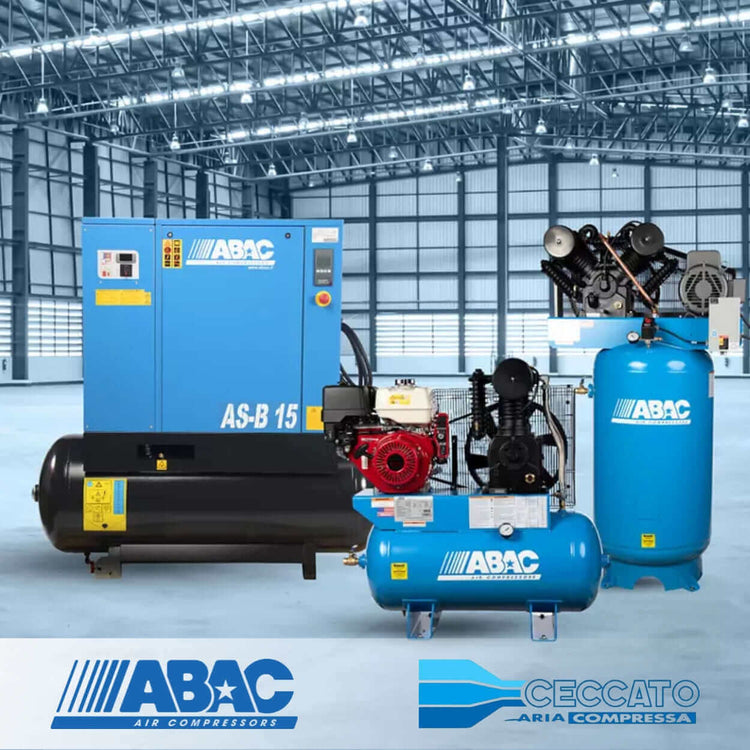
The global supply chain is a complex network of companies, organizations, and individuals that work together to manufacture and distribute industrial equipment worldwide. Spanning across different countries and continents, this network plays an essential role in the global economy, and at the base of it all is the industrial equipment supplier.
Raw materials and early moves:
Every piece of machinery starts as earth. Iron ore, copper, and rare minerals come from mines scattered across continents. Massive ships carry these heavy loads across oceans to processing plants. Weather, port strikes, or political shifts can delay these shipments. A single late cargo creates a backlog that ripples through the entire production cycle. Suppliers track these raw materials from the moment they leave the ground.
Component fabrication and quality checks:
Processing facilities turn raw metals into gears, motors, and hydraulic systems. Each component meets strict specifications for strength and durability. Factories run 24-hour shifts to maintain output targets. Quality control inspectors test every batch for flaws. A failed inspection sends the entire lot back to the furnace. This stage demands flawless coordination between multiple production lines.
Assembly and packaging operations:
Individual parts come together on assembly floors to form complete machines. Workers and robots cooperate to bolt, weld, and wire each unit. Completed equipment undergoes final performance tests before packaging. Protective crates and corrosion-resistant wraps prepare items for long trips. Each packaged unit carries a unique identification code for tracking. Assembly teams work to clear backlogs and meet customer delivery dates.
Warehousing and inventory management:
Finished goods move to regional distribution centers. These warehouses hold safety stock for unexpected demand spikes. Inventory managers use digital systems to monitor stock levels in real time. Products rotate on a first-in, first-out basis to prevent aging. Space optimization techniques allow storage of thousands of different items. Warehouse crews pick, pack, and stage orders for outgoing trucks daily.
Transportation and logistics coordination:
Trucks, trains, and cargo vessels form the arteries of this supply chain. Route planners choose paths that avoid congestion and bad weather. Each vehicle carries GPS trackers for location updates. Shipping documents accompany every pallet to clear customs checkpoints. Logistics teams communicate with carriers to adjust for delays. This constant movement connects production sites to end users across time zones.