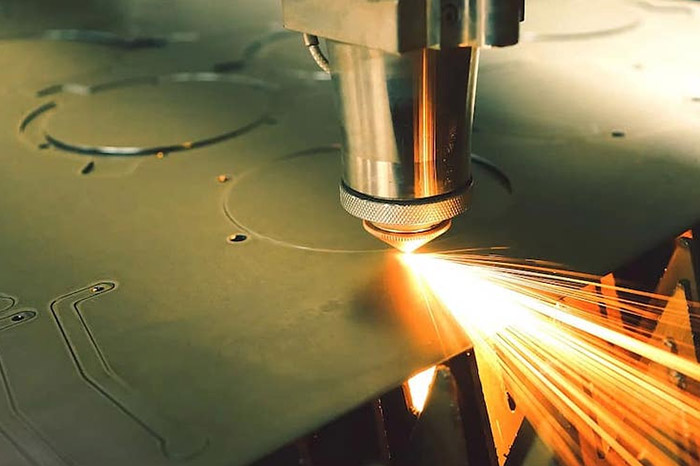
Laser cutting offers a fast track to precise, professional-looking parts. Yet, a single oversight can turn a clean design into a scrap pile of wasted material. From improper file setup to ignoring the material’s quirks, these errors are surprisingly common. Recognizing these pitfalls is the first step toward consistently excellent results.
This guide will highlight five frequent mistakes to avoid, ensuring your next project shines. Following these points will save time and material, a benefit any laser cutting service Abu Dhabi can provide.
Wrong power and speed settings
Using the incorrect power and speed settings is a recipe for disaster. Too much power at a slow speed can char the edges, leaving dark, sooty marks. Conversely, too little power at a high speed might fail to cut through the material entirely. This results in parts that are stuck together or have rough, melted edges.
Ignoring material preparation
Tossing a dusty or greasy sheet onto the bed invites problems. Dirt and oils on the surface can absorb the laser’s energy unevenly. This leads to inconsistent cuts and unsightly burns that are hard to clean. Always wipe down materials with a suitable cleaner before starting. Ensure the material is perfectly flat.
Forgetting focus and lens care
The laser beam needs to be perfectly focused to deliver its energy to a pinpoint spot. An out-of-focus beam creates a wider cut, or kerf, that is imprecise and often leaves a tapered edge on the material. Equally important is a clean lens. A dirty lens scatters the beam, reducing its power. This forces the operator to compensate with higher power settings, which can cause more damage. Checking and adjusting the focus for every material thickness should be a standard practice.
Overlooking proper ventilation
Inadequate airflow and fume extraction are serious mistakes. As the laser cuts, it creates smoke and debris. If these fumes are not pulled away quickly, they can cloud the lens and disrupt the beam path. Furthermore, this smoke can settle back onto the material. This causes discoloration and unpleasant residue on the finished parts. Good ventilation keeps the workspace clean and the cut lines crisp.
Bad file and design setup
A poor design file is a guaranteed way to ruin a project. Lines must be thin and perfectly vector-based. Raster images or thick lines will cause the machine to engrave instead of cut. Another common issue is not connecting paths, which creates a “jumping” laser. This results in incomplete cuts. Properly nesting the design is also critical.